Why we Created this Guide
Having worked with a wide range of designers across different projects and reviewed many Designer Risk Assessments (DRAs) – one question consistently comes up:
“What should actually be included in a Designer Risk Assessment?”
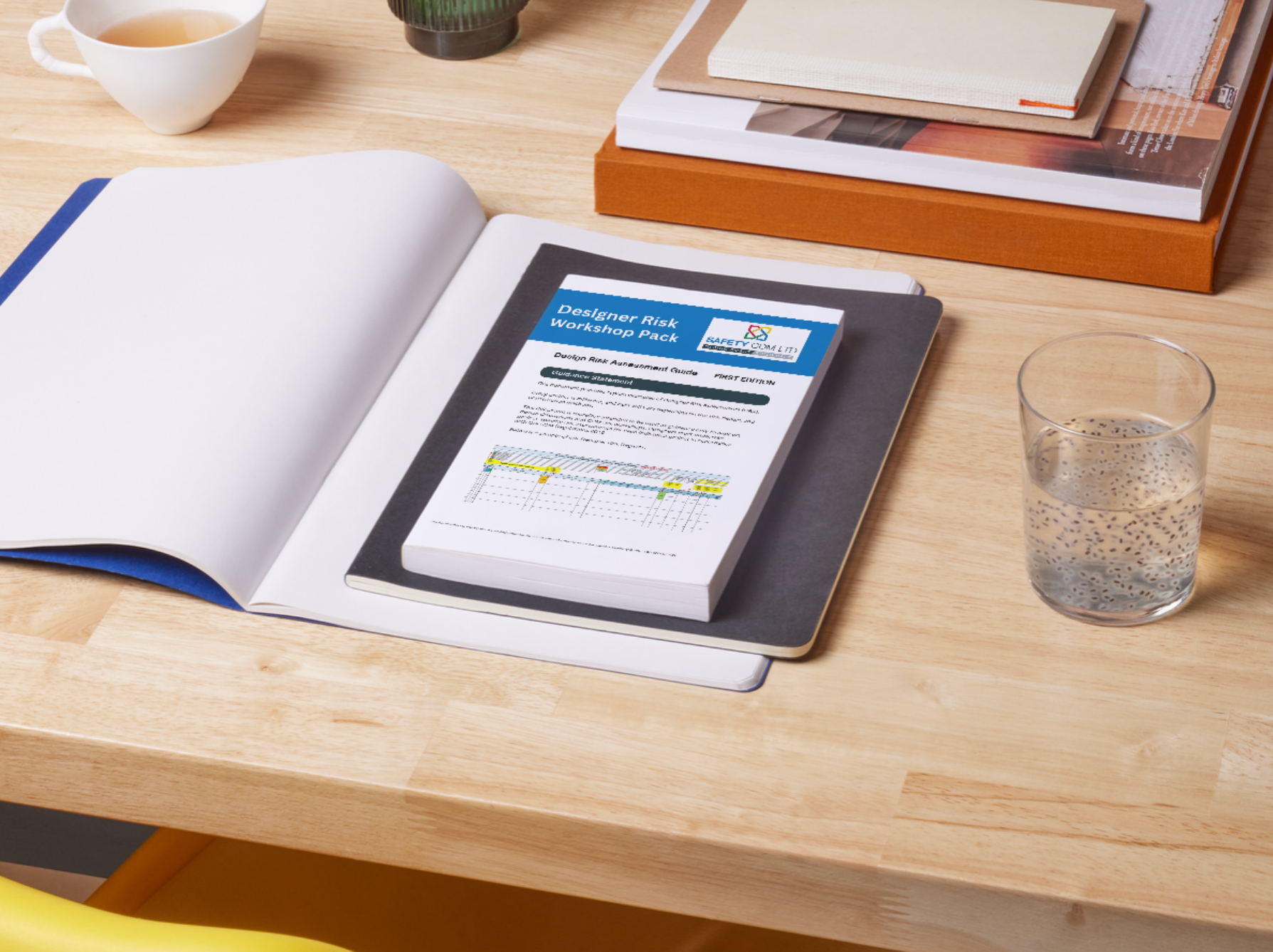
To help answer that, we’ve created a practical Designer Risk Workshop Guide based on real issues we regularly see during design risk reviews and CDM workshops.
Based on Real Design Discussions
We’ve built this guide to reflect what actually comes up during live design discussions. Across projects, we repeatedly see similar challenges – access for maintenance not fully considered, structural sequencing risks left too late, or M&E systems designed without thinking about long-term safe access. This guide is designed to help you build a more comprehensive and considered view of design risk. It brings together typical design risks across architectural, structural, M&E and interior elements, along with residual risks that are often passed on to clients or building managers without enough clarity, particularly around project-specific maintenance requirements.
Moving Away from Generic Risk Assessments
Many Designer Risk Assessments end up as generic lists that don’t really relate to the scheme in front of you which means real risks can be overlooked. A good DRA should reflect the actual design, the build sequence, and how the building will be used and maintained. It should help the team have better conversations and not just tick box exercises.
This guide supports that process by helping structure a more complete approach to identifying design risks.
Supporting Better Design Conversations
In our experience, the best outcomes don’t come from filling in a register but they come from the discussions around it.
When designers, engineers and other specialists involved in the design properly engage with risk early on, you start to see smarter decisions. Risks get designed out rather than managed on site and maintenance becomes safer, benefitting everyone involved.
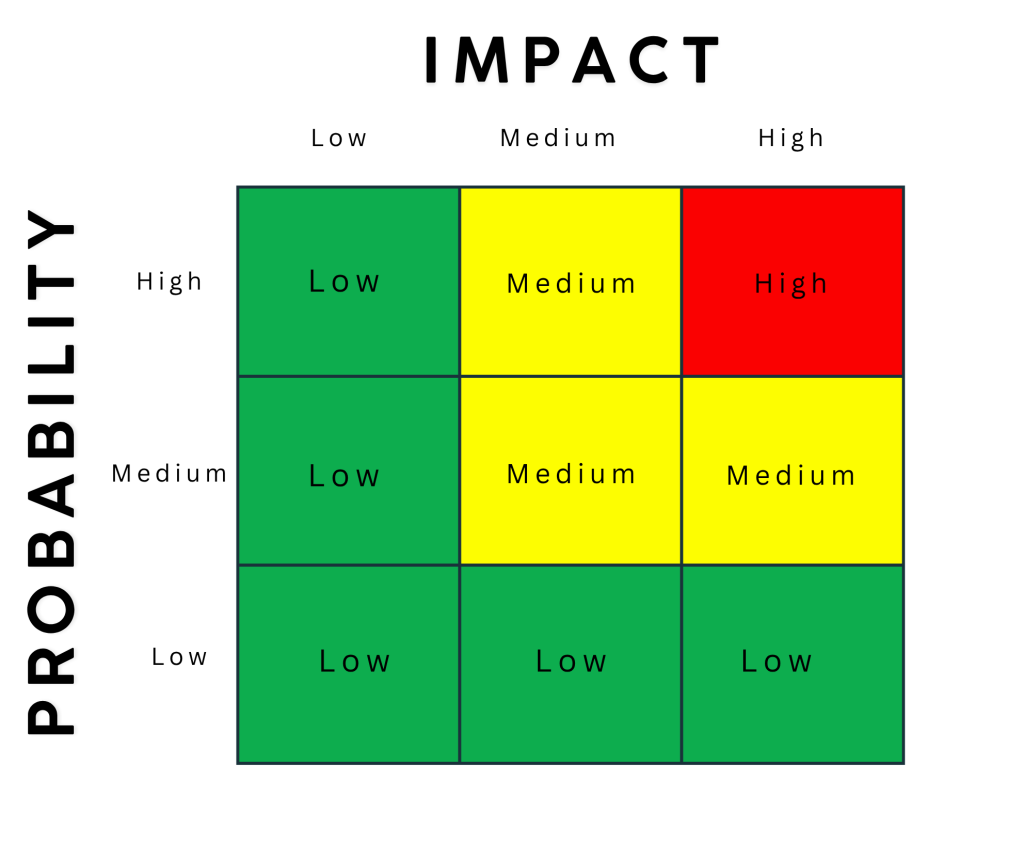
When reviewing risks, it’s useful to consider not just what could happen – but how likely it is and what the impact would be.
Download the Guide
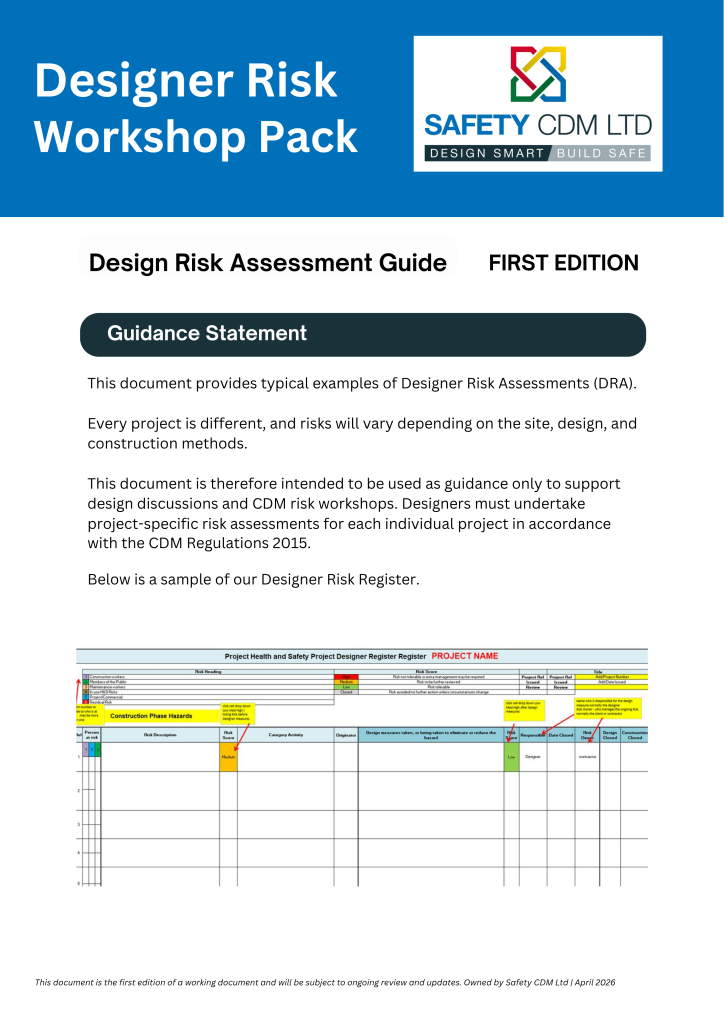
This guide is designed to support your approach to design risk and not replace it. It supports a clearer and more consistent approach to identifying design risks.
Every project brings its own challenges, so Designer Risk Assessments should always reflect the specifics of the programme and be developed in line with the CDM Regulations 2015.
✔ Construction Phase Plans
✔ Risk Assessments & Method Statements
✔ Pre-Construction Information
✔ Site Audits
✔ Health & Safety Files
✔ Construction Management Plans
✔ NEW Principal Designer
(BSA Regulations) Services Available
More from the Saftey CDM Blog...
-

Managing Multiple Contractors Under CDM 2015: Best Practices
September 29, 2026 Building -
Principal Designer vs CDM Advisor: Do You Know the Difference?
September 14, 2026 Building -
How Toolbox Talks and Site Inductions Make Construction Sites Safer
September 9, 2026 Building -
Temporary Works: Why They Matter More Than You Think
July 23, 2026 Building