Emergency planning is too often treated as something to deal with if it happens – but when arrangements are in place from the outset, and legal duties are properly fulfilled, responding to an emergency becomes far more controlled and manageable.
Under the Construction (Design and Management) Regulations 2015, emergency arrangements are not optional and . They are a legal duty; even on small or short-duration projects.
What the Law Actually Says - Regulation 29
Regulation 29 states that:
Suitable and sufficient steps must be taken to prevent, so far as is reasonably practicable, the risk of injury during construction work arising from:
Fire or explosion
Flooding
Any substance liable to cause asphyxiation
This is about prevention first, however, prevention alone is not enough.
Planning for When Things Go Wrong - Regulations 30 & 31
Where risks remain, Regulations 30 and 31 require contractors to make “suitable and sufficient arrangements” for dealing with foreseeable emergencies – including evacuation procedures and safe escape routes.
Those arrangements must take account of:
The type of work being carried out
The size and layout of the site
The equipment in use
The number of people on site
The properties of materials present
They must also:
Be communicated to everyone on site
Be tested at suitable intervals
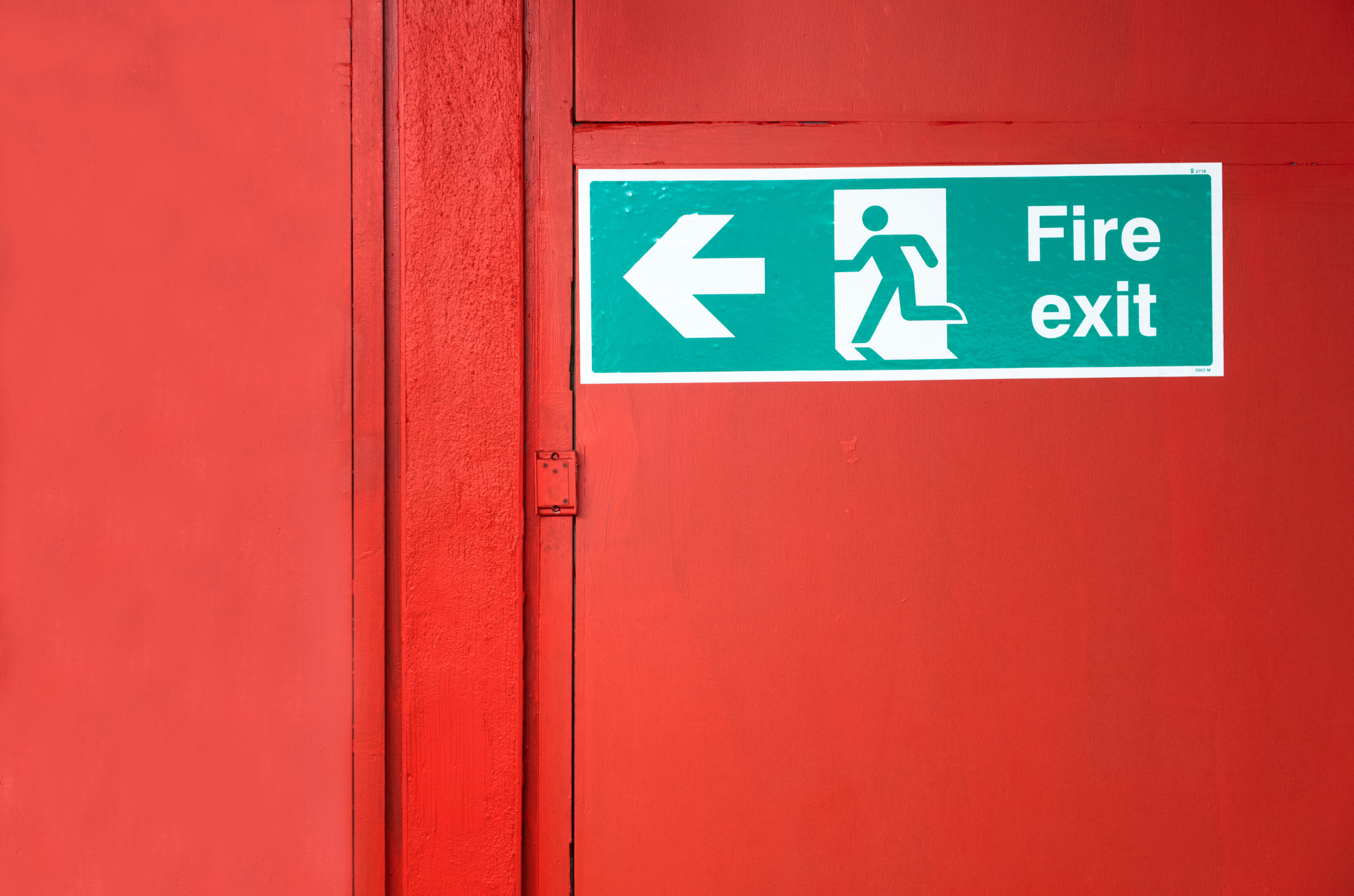
Provide sufficient, clearly signed escape routes
Lead directly to an identified safe area
Be kept clear and unobstructed
Why Emergency Planning Gets Missed
In reality, we still see emergency plans that are generic, copied from previous projects, filed away and never properly communicated, or simply assumed to be “common sense.” But relying on luck is not a strategy – and it will not stand up to inspection by the Health and Safety Executive. We have encountered blocked evacuation routes caused by stored materials, sites with no clearly identified assembly point, expired or missing fire extinguishers, and subcontractor teams who have never taken part in a drill. Emergency planning only works if it works in practice.
CDM-Compliant Emergency Prep Checklist
For a site to be compliant it should have:
✔ A site-specific fire and emergency plan
✔ Clearly signed and unobstructed evacuation routes
✔ A named, trained fire marshal
✔ Weekly checks of alarms and extinguishers
✔ Worker briefings and practice drills
✔ Emergency contact details clearly displayed
It doesn’t need to be complex – just site specific and tested.
Even Small Sites Must Plan for Emergencies
Even on domestic extensions, loft conversions or single-unit refurbishments, the duty remains. A smaller project does not remove the requirement for a basic written emergency plan, trained operatives who understand the procedures, and clear access routes for fire and ambulance services. CDM duties scale with risk and complexity – but they never disappear. The expectation is always the same: if something goes wrong, people must be able to respond quickly and reach safety without confusion or delay.


Emergency arrangements are one of the simplest areas to get right – and one of the most serious to get wrong.
At Safety CDM, we help contractors and clients develop proportionate, compliant emergency planning that reflects the real risks on site – not just a template.
If you would like support reviewing or developing your emergency arrangements, get in touch.
Read more...
-

CDM 2015: Do Domestic Projects Need to Comply?
January 15, 2026 Building -
How to Shut Down Your Construction Site Safely Over Christmas
December 8, 2025 Building